The Westchester Philharmonic’s Spring Season: Winter, Cellos, Fire and Grace
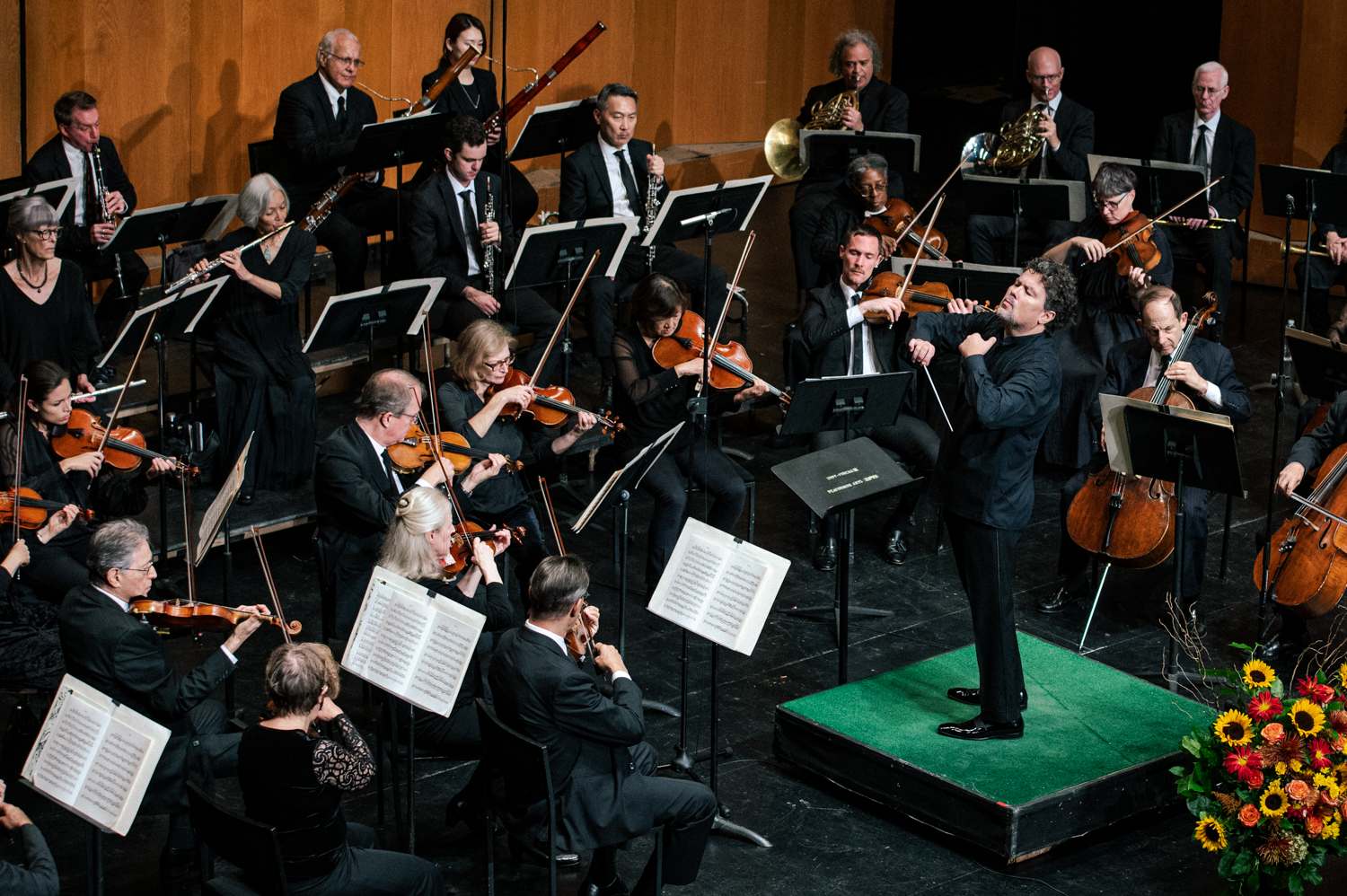
“Titles for programs can be something you bang your head against the wall over,” said Josh Worby, Executive Director of the Westchester Philharmonic. However, that creative struggle has resulted in the orchestra’s Spring 2026 season featuring four programs with titles that reflect both the music and the spirit behind it. Each tells the story of the works being performed.
Three—Winter of Our Content, Clash of the Cellos II, and Forged in Fire—make up the Chamber Series, each performed at two contrasting venues: the historic Crawford Mansion in Rye, with its intimate, salon-like setting, and Grace Church in White Plains, known for its acoustically rich vaulted ceiling. The Spring season’s Mainstage concert, Majesty and Grace, takes place at the Performing Arts Center at Purchase College.
Winter of Our Content
When Shakespeare opened Richard III with “Now is the winter of our discontent,” he was worlds away from Westchester County in 2026. Still, the phrase as used in the title of the Philharmonic’s February chamber program—and its playful twist from “discontent” to “content”—feels apt considering the story behind the two piano quintets being featured.
The centerpiece is Ralph Vaughan Williams’ Piano Quintet in C Minor, composed around 1905 and later suppressed by the composer himself. Unlike Brahms, who famously destroyed works he disliked, Vaughan Williams simply tucked the quintet away in a desk drawer and forbade its performance. The piece remained unheard for 90 years, until his wife (and apparent muse) Ursula lifted the ban in 1995, nearly 40 years after his death, revealing a work now celebrated for its richness and emotional depth.
Worby noted that the quintet is also distinctive for its instrumentation. Rather than the standard piano, two violins, viola and cello, Vaughan Williams replaces the second violin with a double bass—a throwback to earlier piano quintet traditions.
“He wanted to get back to the older piano quintets that had the double bass, which added power and warmth to the sound,” explains Worby.
The composer followed the model of Austrian composer Johann Nepomuk Hummel, whose Piano Quintet in E-flat Minor, written a century earlier, also appears on the program.
Winter of Our Content will be performed at Crawford Mansion on February 8 and Grace Church on February 11.
Clash of the Cellos II
March brings Clash of the Cellos II, a revival of a Spring 2023 program that quickly became an audience favorite for the Westchester Philharmonic. “The impetus for that was Villa-Lobos’ Bachianas Brasileiras No. 5,” says Worby. “It’s highly possible you’d recognize the piece—it’s a well-known melody. Villa-Lobos specifically wrote it for cello choir with soprano, which is an odd ensemble to try to put together. But I was dying for us to play it, and I thought, ‘Let’s bring our cello section together and make a program out of it.’”
The result in 2023 was a bold, high-energy showcase that allowed the cellists to trade the spotlight rather than serve traditional supporting roles. The program drew from a wide-ranging repertoire, from classical works to an arrangement of the Beatles’ Eleanor Rigby.
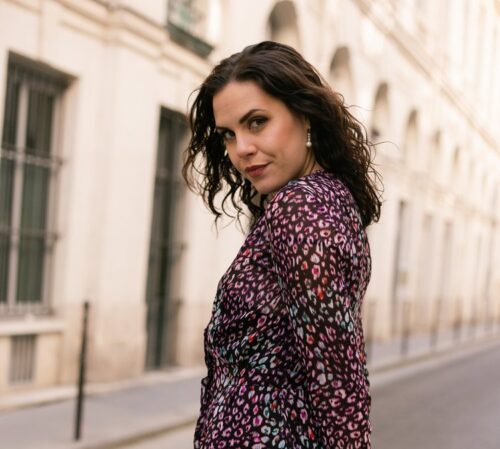
For this expanded sequel, the Philharmonic commissioned new arrangements of the Habanera from Carmen and Puccini’s O mio babbino caro, bringing back mezzo-soprano Jeanne Ireland, who performed in the 2023 Clash of the Cellos program. The title reflects a playful “clash” of styles—from operatic favorites to popular music—creating a dynamic, family-friendly celebration of the cello’s range and power.
Clash of the Cellos II will take place on March 22 at Crawford Mansion and March 25 at Grace Church.
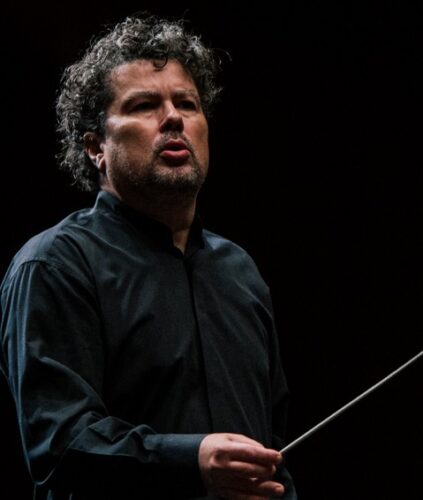
Forged in Fire
The May chamber program takes its Forged in Fire title—and emotional weight—from two works that were shaped under intense pressure. At its core is Prokofiev’s String Quartet No. 2 in F Major. A Russian composer living under Stalin, Prokofiev was publicly denounced for writing music considered too modern. “Like Shostakovich, he was told he had to write music that sounded more Russian, more nationalistic,” says Worby.
Prokofiev composed the quartet during World War II, after being evacuated from Moscow and while the city was literally in flames – a backdrop that lends the work its raw urgency.
The program also includes Brahms’ String Quartet No. 1, a piece hard-won through years of self-doubt. “Brahms was famously self-critical, and he threw about five string quartet compositions into the fireplace before he settled on this one,” Worby notes.
Together, the works form what he called “two major pieces of the string quartet canon.”
Forged in Fire will be performed on May 3 at Crawford Mansion and May 6 at Grace Church.
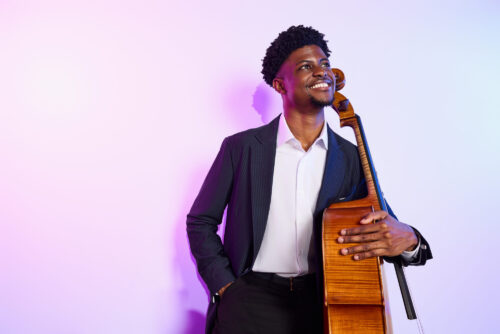
Mainstage Orchestra Performance: Majesty and Grace
The Philharmonic’s final Mainstage concert of the season takes place April 19 at the Performing Arts Center at Purchase College in its 500-seat recital hall known for exceptional acoustics.
The program opens with Florence Price’s Andante Moderato, arranged by the composer from her String Quartet No. 1—music that blends Romantic lyricism with African American musical traditions. Worby describes Price as “the first African American woman recognized as a classical music composer,” noting the growing importance and recognition of her work.
Acclaimed cellist Sterling Elliott then joins the orchestra for Schumann’s lyrical and emotionally charged Cello Concerto, before Beethoven’s Symphony No. 1 brings the full ensemble together to close the Mainstage season.
The program’s title, Majesty and Grace, reflects its emotional arc: warmth and lyricism give way to a commanding performance on the main stage.
You May Also Enjoy:
- Landscape Photography Captures Enduring Culture of Contested Armenian Region
- Recent State Funding Supports ArtsWestchester’s Mission to Keep Arts Accessible
- What’s Westchester Watching? January 2026 Edition
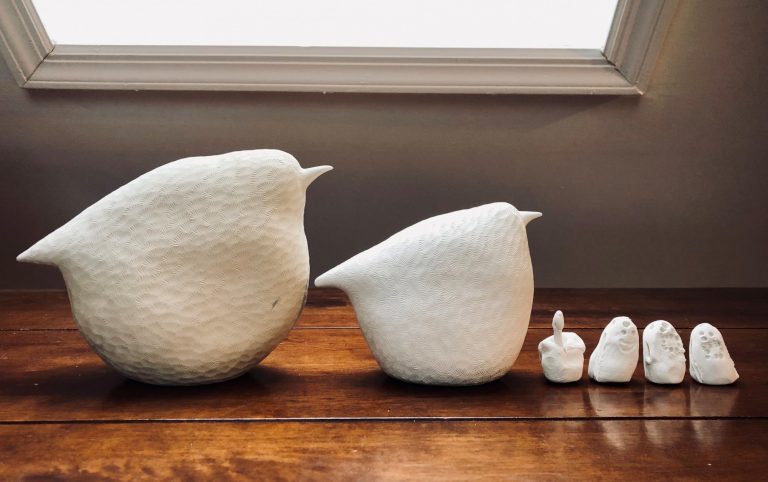
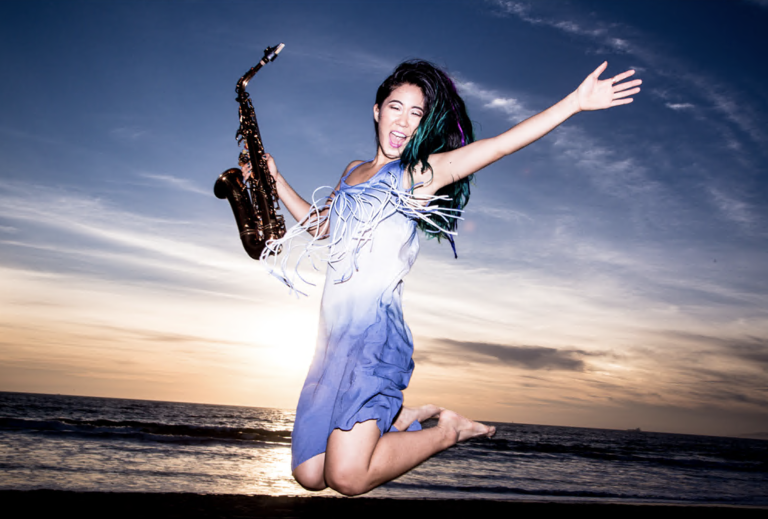
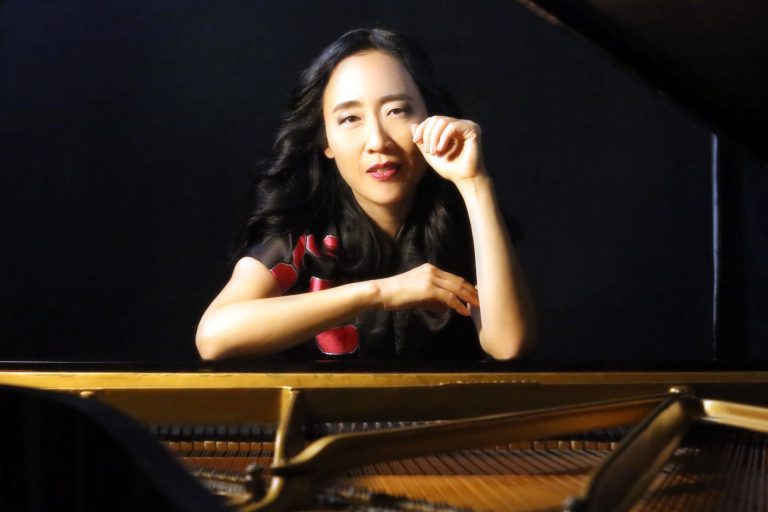
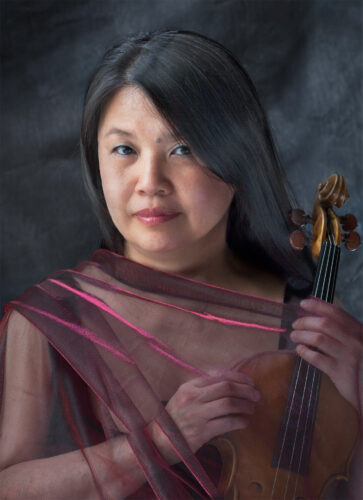
Photos (top to bottom): Westchester Philharmonic (photo courtesy of Westchester Philharmonic); Deborah Wong (photo courtesy of Westchester Philharmonic); Jeane Ireland (photos courtesy of studios J’adore ce que vous faites, Julien Benhaou, and Shannon Ciricillo); Sterling Elliott (photo courtesy of Westchester Philharmonic)
About Laura Schiller
Laura Schiller is an arts journalist based in lower Westchester. She contributes frequently to The Rye Record, The Rivertowns Dispatch, and The Recorder News, among other publications.