Michael Friedman: Music Photographs Uncover a Legacy
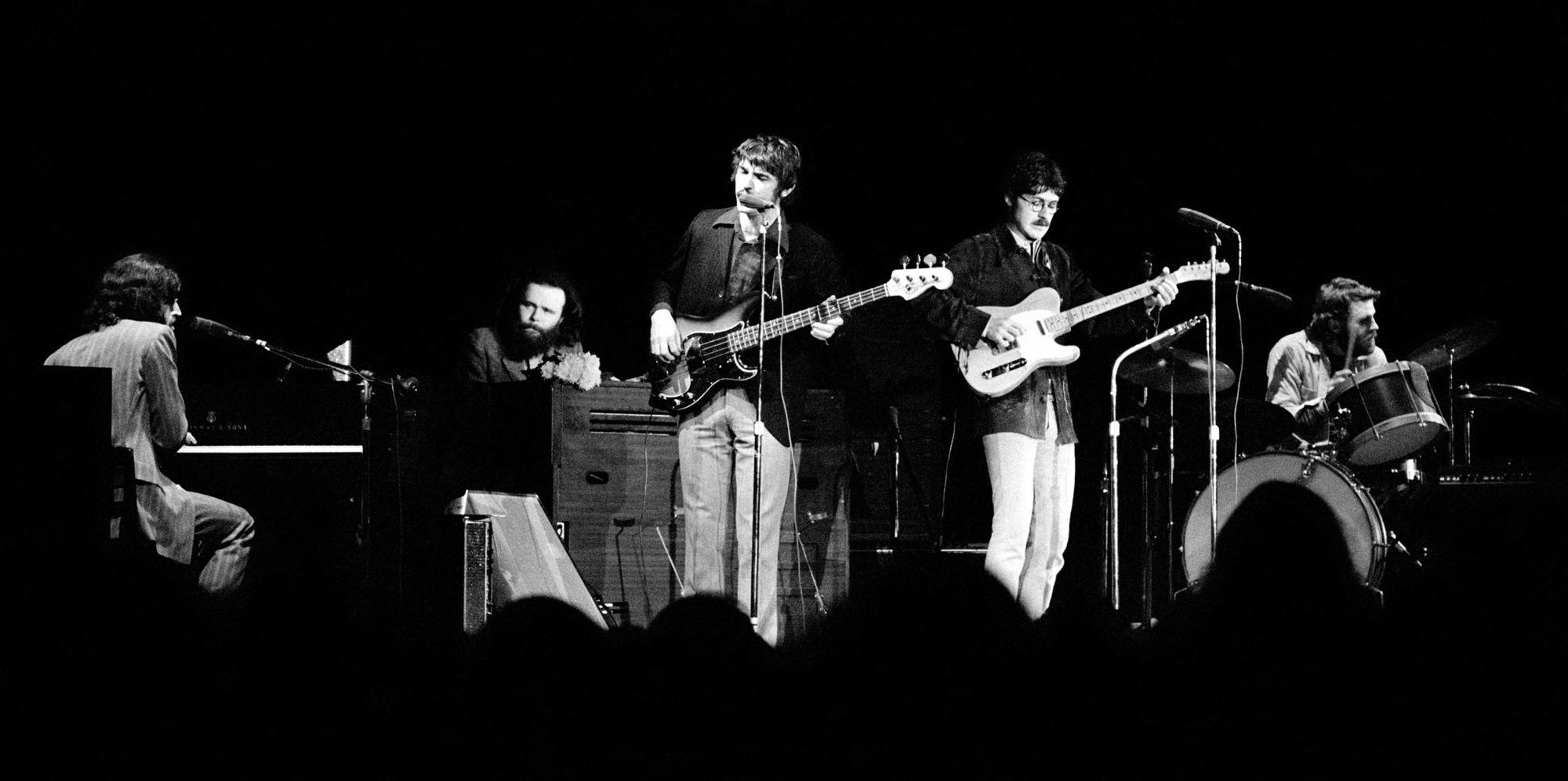
After nearly half a century, photographer Michael Friedman uncovered a box in his attic that contained an expansive body of his previous work — a one-of-a-kind portal to the golden era of rock and roll.
The works he rediscovered led to The Lost Negatives Project, a collection of candid images of Bob Dylan, Janis Joplin, The Rolling Stones, and other notable artists during their prime from 1968 to 1973. A selection of these works are now on view at Rye Arts Center (RAC) in Unseen Photographs of Rock & Roll Legends, an exhibition of rare and intimate images of music legends.
“This exhibition is a rare chance to see [previously] unseen images of musicians in their element,” says Adam Levi, Executive Director at RAC. “Preserving this era of music history is important, and exhibiting it keeps it in the public consciousness, hopefully inspiring the next generation of musicians (and photographers).”
Friedman’s Front Row Seat to The Industry
Friedman was a music manager and producer in the ‘60s and ‘70s, granting him a front row seat to this iconic period in time and allowing him to foster genuine connections with a wide range of musicians. Acting as a quiet observer, Friedman photographed moments both on and off stage, revealing a side that doesn’t often see the spotlight — the human behind the music.
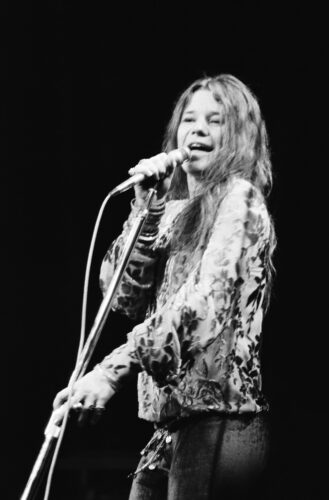
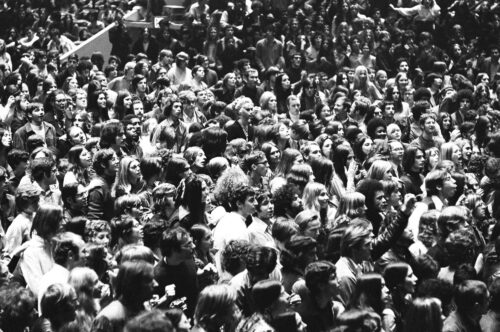
In the photos, viewers can observe electric moments such as Janis Joplin on stage at Madison Square Garden, and catch a glimpse of the Rolling Stones’ massive crowd, all while noting popular fashion choices from the ‘60s. Quieter moments like a studio session with Todd Rundgren or Buddy Cage smoking a cigarette at Expo ‘70 in Japan give viewers a ‘backstage pass,’ personifying these figures in limelight.
“While much of what we know about this era has been shaped by media and the rose-colored gaze of pop culture, Michael’s photographs strip away the veneer to reveal the truth,” says Lauren Emerson, Marketing Coordinator at RAC. “Through these snapshots, we see rock and roll not just as a genre but as a powerful declaration—a force that challenged societal norms, shattered barriers and gave voice to the dreams and frustrations of a generation. Each image …preserv[es] the vulnerability, rebellion and unrelenting spirit of the artists who defined the movement.”
The exhibition encouraged people of all ages and music knowledge to look at the displayed images with a newfound curiosity and feel a sense of nostalgia. The photographs offer unfiltered inspiration that encapsulates the energy of the time, whether rock and roll was the soundtrack of the viewer’s youth, a memory they associate with their parents, or a genre they have yet to explore. The oversized, immersive black and white prints bring you right into the moment, creating an access point to an otherwise unattainable environment.
Notes of Connection
In bringing these fond moments together on the walls, the goal, according to the center’s gallery and performance arts coordinator, Sarah Mackay, is ultimately to bring people together, rejoicing in a collective bond or talking with someone eager to learn. “We’re not only bringing our mature generations back to their younger memories, but we’re also bringing this curiosity and organic exposure to our children,” explains Mackay. “The connection to music starts really young, and I hope the children who come into our building spark up conversations about who these figures are because of this exhibition.” In sharing his archive and experiences, Friedman opens up the possibility of shareable moments.
Unseen Photographs of Rock & Roll Legends will be accompanied by a video, some of the artist’s personal memorabilia and text taken from his photo book, EXPOSED: The Lost Negatives and Untold Stories of Michael Friedman.
“Content is only enhanced by its context,” says Mackay. “The responsibility we have in art spaces and exhibitions is not only to share these works, but to provide the context for viewers to connect to and understand them.”
Friedman’s work embodies the power of music as a form of entertainment, but more so, as a cultural and historical keepsake that enriches the human experience. “At Rye Arts Center, representing this collection is not merely an act of curation, but of purpose: to celebrate the intricate interplay between sound, vision and emotion that defines art at its most universal form,” says Emerson. “In hosting this body of work, we [Rye Arts Center] achieve our goal of positioning ourselves as a crucible for interdisciplinary creativity, a place where boundaries dissolve, and the arts unite in their most elemental form: a universal language, rich with history, innovation and soul.”
Currently On View
Unseen Photographs of Rock & Roll Legends is on view at Rye Arts Center through February 15, with a public reception on January 23. Attendees will have the opportunity to meet Friedman, hear firsthand accounts of the stories behind the photographs, and step into an era when music was revolutionizing the world.
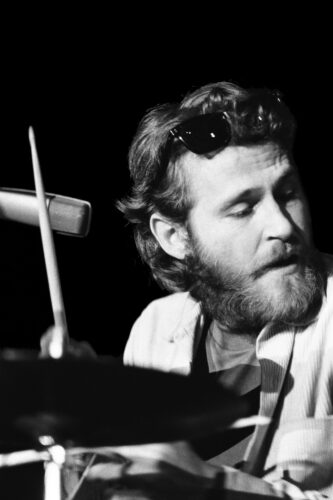
Photos (top to bottom): © 2017 Michael Friedman: The Band 1969 Panoramic; © 2017 Michael Friedman: Janis Lookin Pretty; © 2017 Michael Friedman: Levon Helm 1969 // all photos courtesy of Rye Arts Center
You May Also Enjoy:
Picture House’s Senior Cinema Program Evolves With Free Yoga
In Search: Jonathan Becker Under the Microscope (closes January 26)
Clothes, but No Bodies, On View at Hudson River Museum (closes January 26)
About Alyssa Monte
Alyssa Monte is an artist and writer from Mahopac, NY. She earned her BFA in Photography and Journalism from SUNY Purchase in May of 2021.